
| Insecta : Lepidoptera : Noctuidae | Butterflies and Moths |
Amphipyra tragopoginis (Clerck, 1759)
Mouse Moth
 |
| Amphipyra tragopoginis |
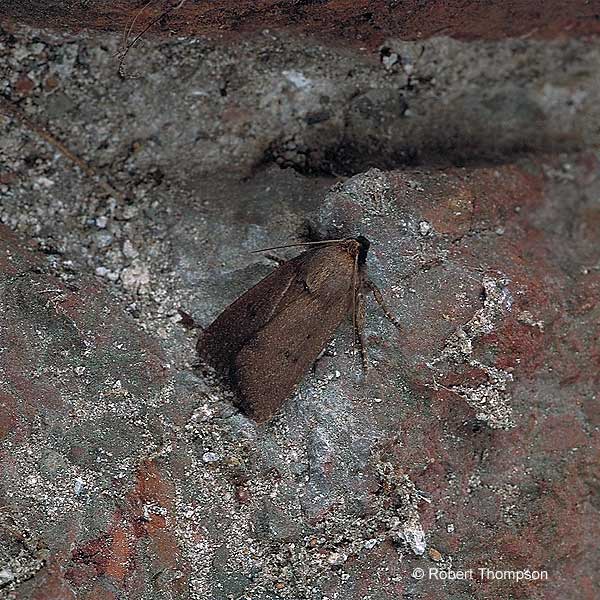
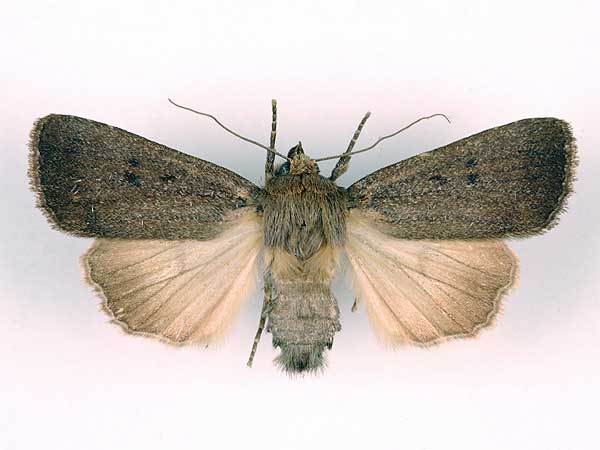
Description: Wingspan 32-40 mm. Forewings are greyish brown and highly reflective. Antemedian and post median lines are indistinct and the stigmata are reduced to a single dark-coloured dot. Subterminal line is not clearly defined. Hindwings pale fuscous darker towards the terminal border. Mid-July to the beginning of October.
World Distribution: Holarctic; across all of western Europe as far north as the Arctic Circle.
Irish Distribution: Widespread in the east but generally uncommon in the west. Known from a few sites in south Fermanagh and at Magilligan Dunes, Londonderry in 2001.
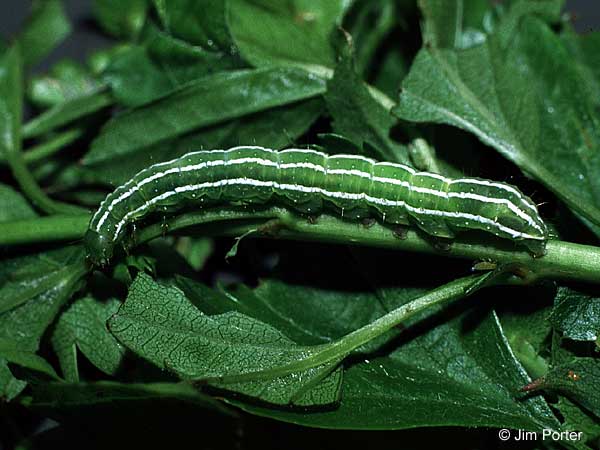
Ecology: A late summer species found in a variety of habitats including fens, heaths and suburban gardens. Adults are attracted to light and flowers especially Ragwort Senecio jacobaea and Buddleia Buddleja davidii. They rest by day in the darker areas of old disused buildings and under sheds. It prefers to run rather than fly when disturbed which probably accounts for its common name. The larvae feed from April until June on a variety of plants including Mugwort Artemisia vulgaris, Hawthorn Crataegus monogyna, and willow Salix spp. It overwinters as an egg.
Key Identification Features:
- Highly reflective wings
- Small dark coloured spot on the forewings
- Pale hindwings
 |
 |
Distribution Map from NBN: Amphipyra tragopoginis at National Biodiversity Network mapping facility, data for UK.
iNaturalist: Amphipyra tragopoginis at iNaturalist World Species Observations database.
| Thompson, R. & Nelson, B. (2023). Amphipyra tragopoginis. (Clerck, 1759). [In] Moths of Northern Ireland. https://habitas.org/moths/species.php?item=6395. Accessed on 2026-11-02. |