
| Insecta : Lepidoptera : Noctuidae | Butterflies and Moths |
Noctua fimbriata (Schreber, 1759)
Broad-bordered Yellow Underwing
 |
| Noctua fimbriata |
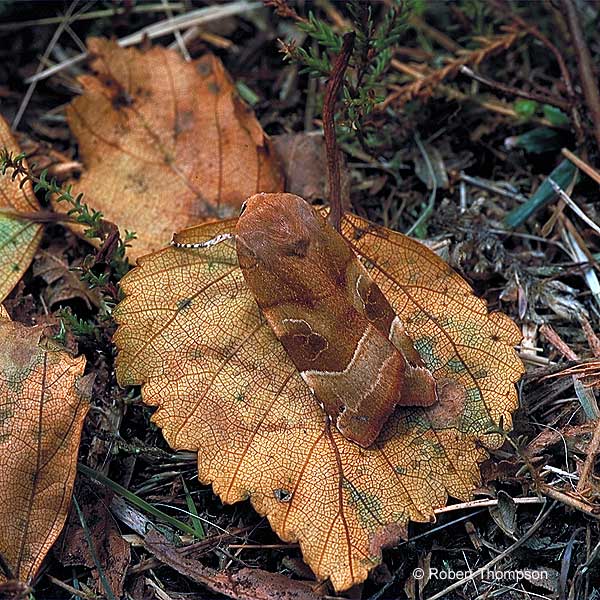
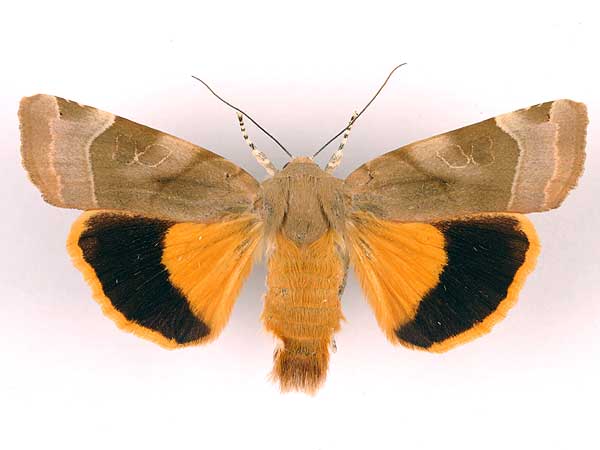
Description: Wingspan 50-58 mm. Forewings are usually reddish brown. The males are darker that the females. Forewings are marked with stigmata outlined with a pale fine line, an dark, oblique anterior crossline, a posterior crossline which is paler than the ground colour of forewing and sharply-angled and a dark patch on the costa near the apex of the forewing. Hindwings orange, with a broad black band that tapers towards the inner margin. End of June to mid-September. Adults aestivate after emergence and normally reappear in August.
World Distribution: Western Europe from Finland, south to Portugal.
Irish Distribution: Generally distributed, and apparently more common in the east, especially in coastal localities. In recent times it has been found more frequently inland, particularly in the north and west. It has also been recorded on Rathlin Island.
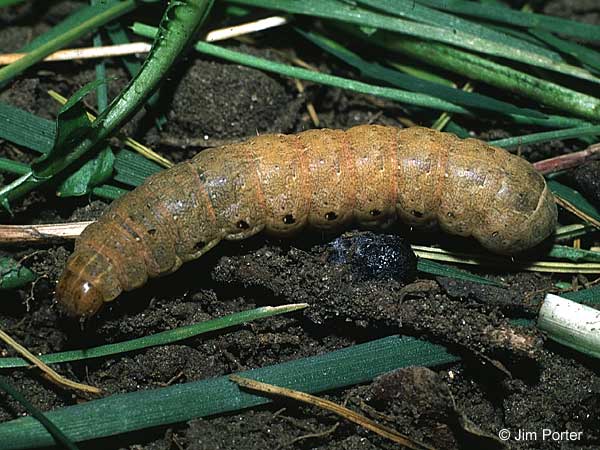
Ecology: A large distinctive species found in many habitats. Adults are attracted to light in small numbers. The larvae feed from September to April of the following year on Blackthorn Prunus spinosa, willow Salix spp. and dock Rumex spp. It overwinters as a larva.
Key Identification Features:
- Shape of crosslines on forewings
- Dark patches along the costa towards the apex of the forewing
- Orange hindwings with black banding
 |
 |
Distribution Map from NBN: Noctua fimbriata at National Biodiversity Network mapping facility, data for UK.
iNaturalist: Noctua fimbriata at iNaturalist World Species Observations database.
| Thompson, R. & Nelson, B. (2023). Noctua fimbriata. (Schreber, 1759). [In] Moths of Northern Ireland. https://habitas.org/moths/species.php?item=6196. Accessed on 2026-11-02. |