
| Insecta : Lepidoptera : Satyridae | Butterflies and Moths |
Coenonympha pamphilus (Linnaeus 1758)
Small Heath
 |
| Coenonympha pamphilus |
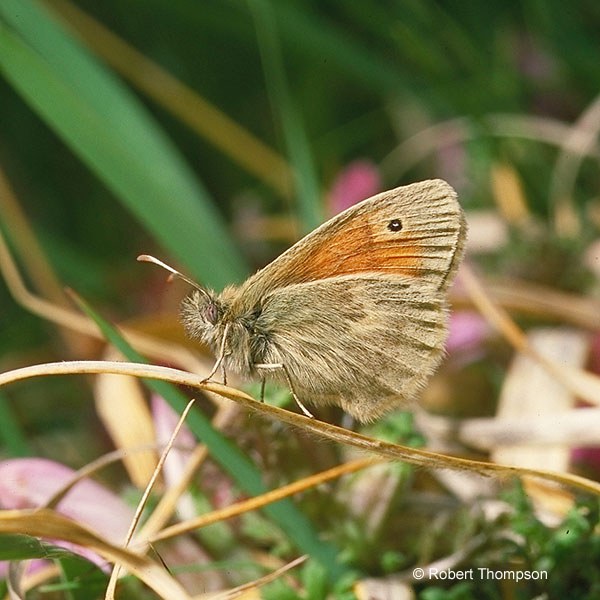
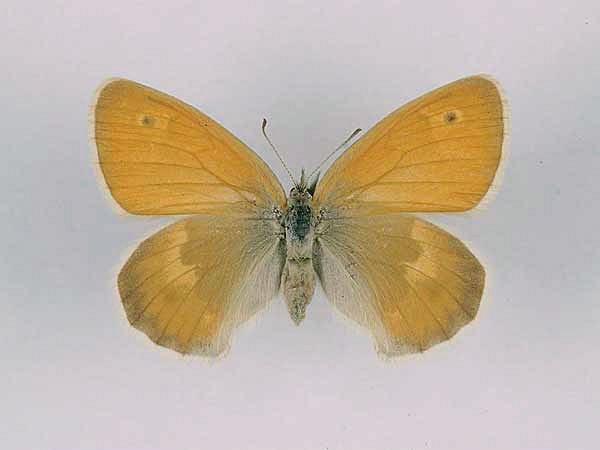
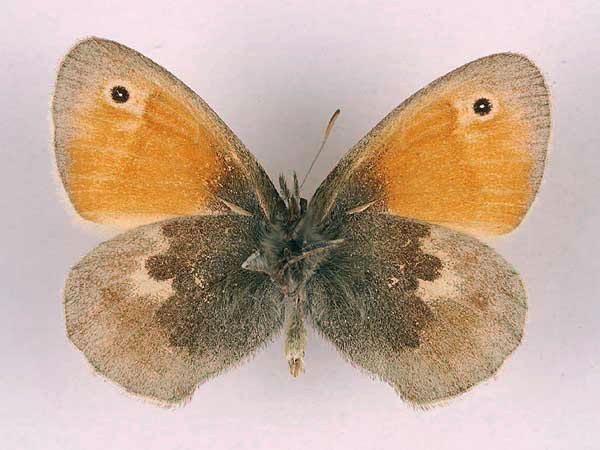
Description: Wingspan 33-37 mm. Females are larger than males. The upperside is generally light orange-brown. The underside of the forewing is also orange-brown with a small white pupilled black eyespot near the apex. The underside of the hindwing is dark brown near the base and grey along the hind margin. These are separated by a cream-coloured jagged blotch. Double-brooded the first in mid May to early July and the second in mid August to mid September.
World Distribution: Europe, except northernmost Fennoscandia; Asia Minor and Asia to western Mongolia.
Irish Distribution: A widespread species found throughout N. Ireland, but absent from many upland areas. It is probably commonest in the south and east reflecting its preference for drier grassland types. It is very local or absent from much of central Down, north Antrim, Tyrone and east Fermanagh.
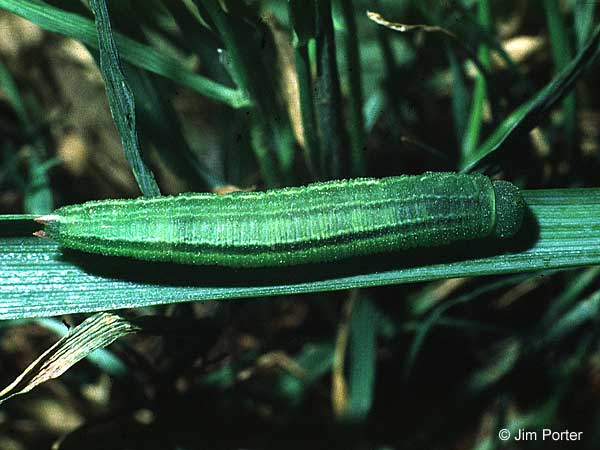
Ecology: Found in grassland biotopes especially drier types. It lives in colonies but individuals do wander. Males congregate in tall grasses or shrubs and adopt small territories from which they investigate any passing adults. Females visit perching areas to mate. Once mated females depart from male arenas and search for egg-laying sites. Larval foodplants are fine-leaved grasses especially Poa and Festuca spp. Overwinters usually as a half-grown larva.
Key Identification Features:
- Orange upperside
- No prominent spots on underside
 |
 |
 |
Distribution Map from NBN: Coenonympha pamphilus at National Biodiversity Network mapping facility, data for UK.
iNaturalist: Coenonympha pamphilus at iNaturalist World Species Observations database.
| Thompson, R. & Nelson, B. (2023). Coenonympha pamphilus. (Linnaeus 1758). [In] Moths of Northern Ireland. https://habitas.org/moths/species.php?item=5590. Accessed on 2026-11-02. |